
How to predict Dota 2 matches

Predicting Dota isn’t fortune-telling or some rigged slot machine. It’s about making smart probability calls in a chaotic game. I’ve been doing this a long time, posting my predictions for every match (and regularly getting roasted when I’m wrong).
Do you know HOW to predict Dota 2 Matches?https://t.co/5Rndmwr62f
— Greg Spencer (@Dota2ProTips) June 16, 2026
Let me tell you how I approach it, and why even the best process fails sometimes. If someone out there tells you they have a “90% win rate” on predictions, they’re full of it. Dota has too many variables – comebacks, throws, patch swings, BO1 upsets, you name it – for any human or AI to beat 90% win rate, it's simply impossible.
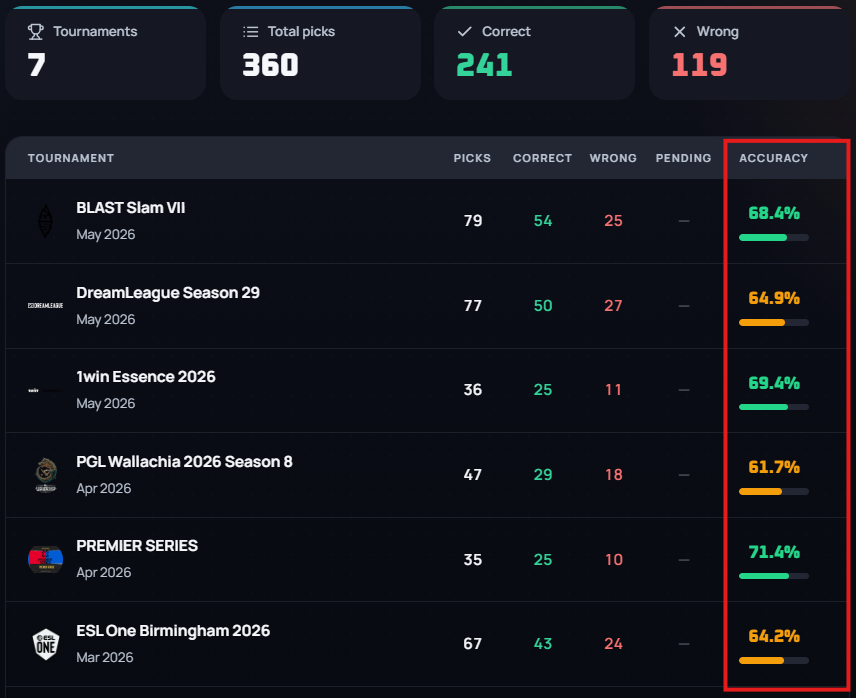 My goal isn’t to be perfect (I’m not), it’s to be right a little more often than I’m wrong by actually thinking things through. Here’s how I do it.
1. The Model: Great Starting Point, Terrible Final Answer
I’ll level with you: I use a big internal model (yep, some AI wizardry combined with ELO-style team ratings) that churns out win probabilities for matches. It crunches a ton of data—team ratings, recent results, maybe some head-to-head and momentum signals—and gives me a baseline like "Team A has a 68% chance to beat Team B.” This model is super useful for discipline and sanity-checking my gut. It’s like having a nerd friend who whispers, “Actually, historically speaking…” in my ear.
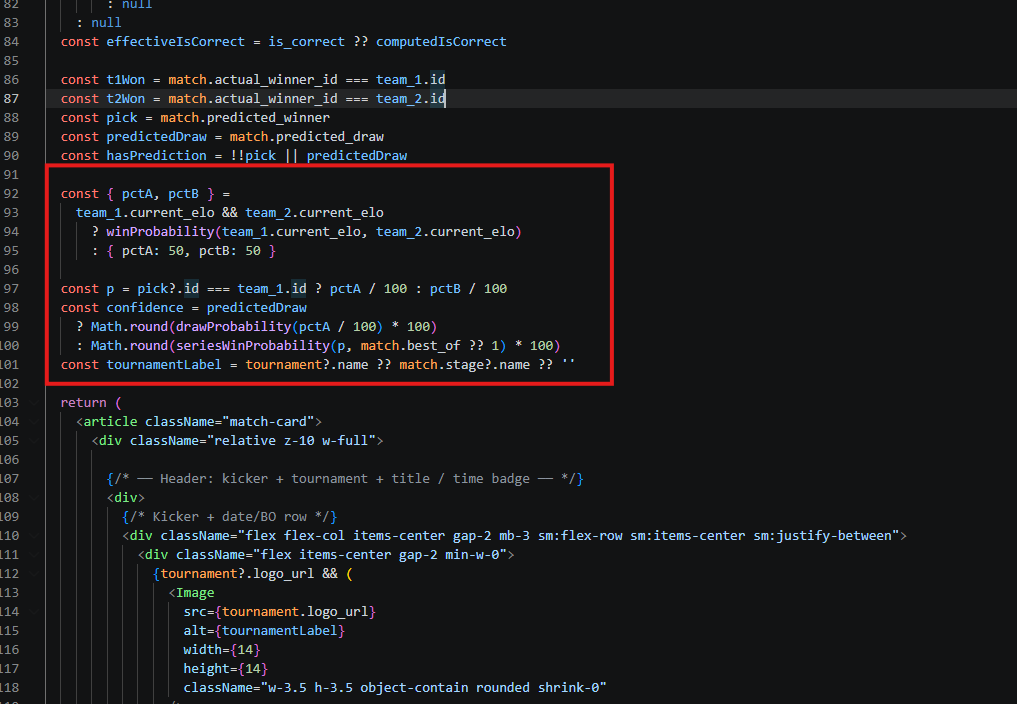
But here’s the thing: Dota isn’t played on a spreadsheet. A model can’t predict the nuances of a specific match. Can it really know what the landing stage will look like? No chance.
It doesn’t realize that a tier-2 midlaner is about to go one-on-one with gpk~(arguably the best laner in Dota)—and likely get stomped into oblivion. It doesn’t feel that mounting pressure on a young carry who’s facing Collapse’s Magnus in front of a screaming LAN crowd (you have no idea how much pressure it applies to the players). It doesn’t “know” that Team X’s captain had a fight with his teammates last night and is tilted.
What my model does is give me a clean, unbiased starting point. It’s great at assessing the big picture (like, Team A has been consistently better than Team B over the last 3 months). But it has no clue about micro-realities:
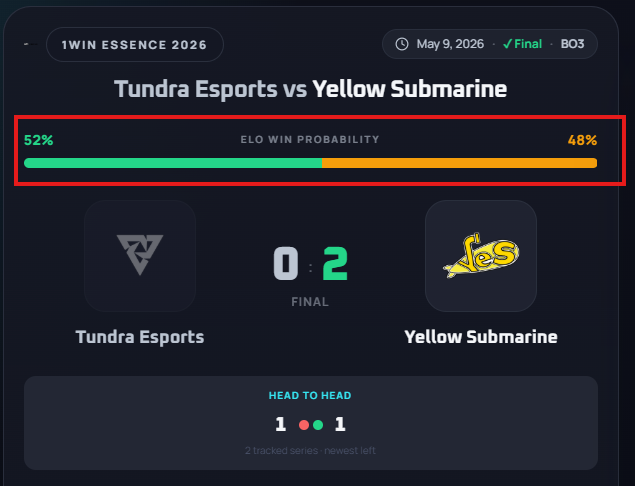
- It can’t intuit specific matchup problems (like a weaker team that matches up bizarrely well due to style). Example: How Yellow Submarine beat Tundra Esports in the 1Win Essence Series.
-
It can’t predict that one team will draft a weird comp and throw everyone off.
-
It definitely can’t foresee that some tier-2 mid will have to lane versus Nisha's Pangolier in peak form and get absolutely destroyed by minute 5.
So I respect my model, but I don’t bow to it. It’s a tool, not an oracle. If my own analysis strongly disagrees with the model’s number, I’ll side with my brain and experience. The model keeps me honest against my biases, but I’m the one making the final call. Feel free to use models or stats in your own predictions – just understand their limits. They’re great at the macro, blind to the micro.
2. Form & Momentum: Yesterday Beats Last Year
Dota isn’t tennis; legacy and names don’t carry you if your form is trash. Too many fans and “analysts” get stuck on who a team used to be. I’ve learned (often the hard way) that recency matters more than reputation. If a team looked terrible this week, I’m not giving them a pass because they topped a major six months ago (e.g., Tundra Esports). Conversely, if some new squad is on a heater, I won’t dismiss them just because they’re “tier 2” historically. (This is the case for LGD.Gaming.)
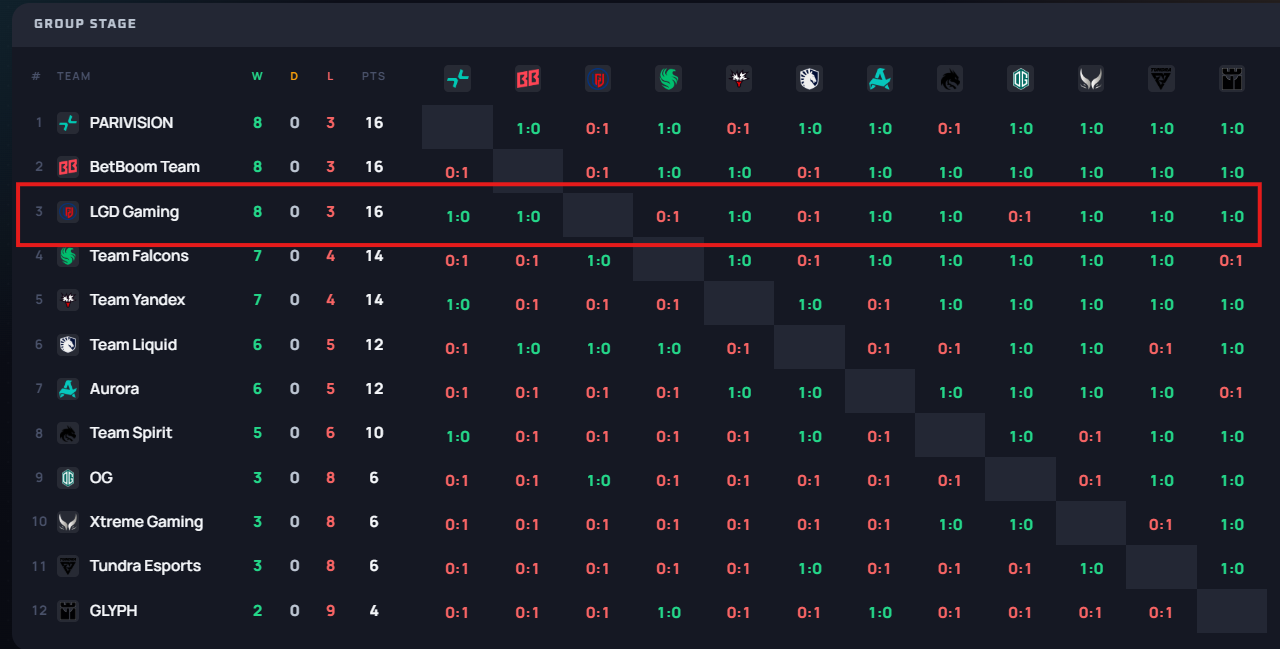
Momentum and confidence are real in Dota. A classic pattern: The team starts winning, they believe in themselves, they play sharper, and they keep on winning.
Or vice versa: a top team takes one bad loss, suddenly doubts creep in, and they spiral (seen it more times than I can count). As a predictor, I pay attention to these trends:
-
Who’s hot right now? In the last tournament (BLAST SLAM 7) I covered, one team came in on a massive slump and promptly faceplanted in groups (shocker). Another lesser-known team (LGD) had been grinding and improving each series and ended up making a miracle bracket run while everyone else kept calling their wins “flukes.” Not flukes—form.
-
Who’s showing cracks? Even strong teams often show warning signs before an upset loss. Maybe they barely edged out a weaker team yesterday and pulled off some base race to avoid elimination. That isn’t exactly a vote of confidence for tomorrow’s match.
Does that mean I overreact to every single game? Nah. One loss doesn’t equal a pattern. Part of experience is knowing whether a defeat was just “one of those days” or the sign of a deeper issue.
(Case in point: In a recent DreamLeague, a tournament favorite dropped a BO1 due to a silly draft gamble—I didn’t suddenly declare them washed; they adjusted and still topped their group.) But if that favorite looked lost in multiple games? Then we have a problem, and I’ll start picking against them much sooner than the average fan would.
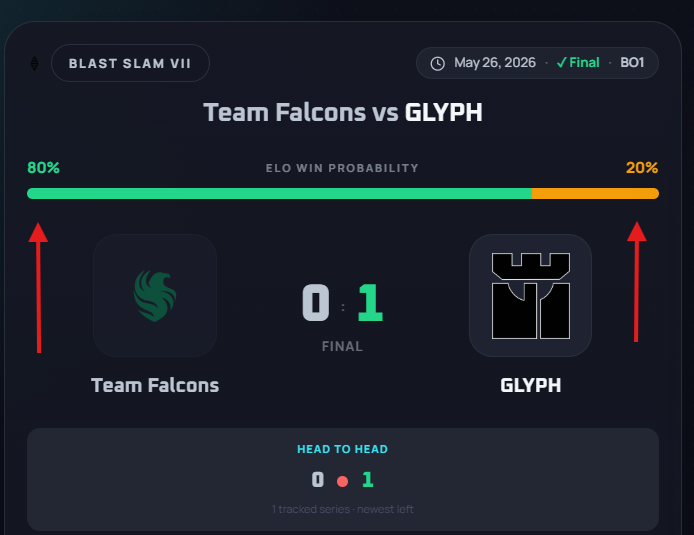 The bottom line: I’d rather bet on a team that’s playing well over a team that merely has a well-known logo. This sounds obvious, but go look at how often people pick the more famous team despite all evidence of current form suggesting otherwise. Don’t be that guy. In Dota, as in sports, “What have you done for me lately?” is what counts.
3. Playstyle & Win Conditions: It’s the Matchup
This is probably the biggest thing that separates a thoughtful prediction from a lazy one: actually understanding how each team wins games and how those styles interact. The mistake casual predictors make is they look at two team names and pick the one they “feel” is stronger. I force myself to ask, how does Team A want to play? How does Team B want to play? And whose plan is more likely to succeed against the other?
A few examples:
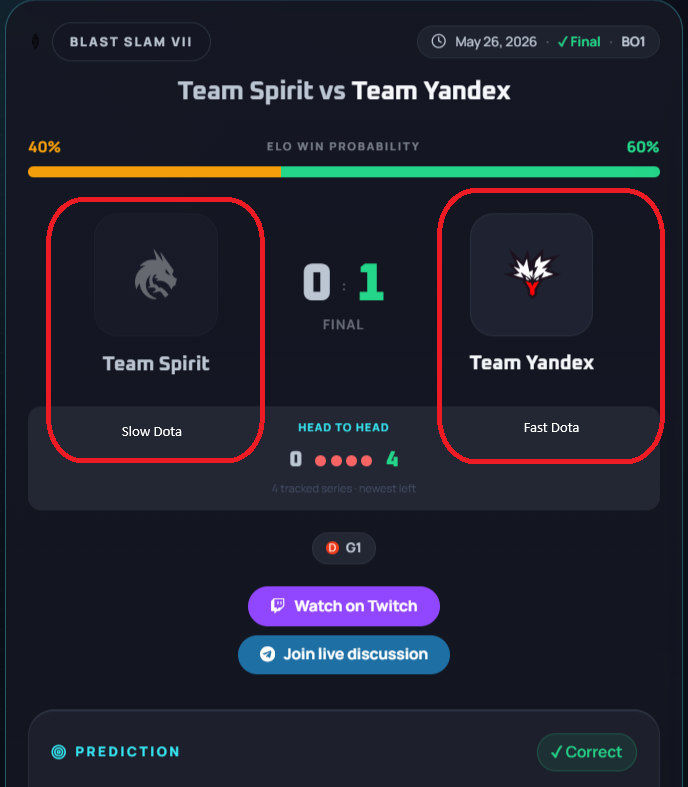
- Fast vs. Slow: Say Team A is hyper-aggressive and scales on winning lanes and ending early, but Team B is a late-game beast that turtles and wins in 50-minute slugfests. The question isn’t “Team A or Team B, who’s better?” Can Team A finish the game before Team B outscales them? If Team A has shown they can regularly close games by 30 minutes and Team B often struggles when pressured early, I’m heavily leaning toward Team A. But if Team A has a tendency to stumble on high ground and let games drag, and Team B has iron defense and sick late-game synergy, I’ll favor Team B. It’s rock-paper-scissors. Fast beats slow if fast truly never lets up; slow beats fast if slow can survive the storm.
-
Greedy vs. Greedy: Sometimes both teams play farm-heavy. Then it comes down to who farms more efficiently and who’s more disciplined late. If Team A and Team B both love taking it late, I’m asking, whose carry scales harder? Does one team have a better track record of not screwing up big late-game teamfights? Maybe Team B has the edge because their carry is a farm machine like Yatoro in his heyday. I’ll lean on them, but I’ll keep in mind that late-game Dota can swing on one mistake (so my confidence is naturally a bit lower).
-
Skirmish vs Skirmish: If both sides want to brawl early and often, who has the cleaner execution in those chaotic fights? For example, Team A and Team B might both play high-tempo “fight Dota,” but if Team A has historically better coordination (less of that “one guy jumps in, rest of team hesitates” problem), I’ll take Team A. In scrappy games, the one with a bit more structure usually wins.
Critically, I consider specific win conditions. One key question I always ask is, "Does a team only win when condition X is met?"
Example: A squad that really only looks good if their mid player goes off. That’s a fragile win condition. If they run into a strategy that neutralizes that mid (or that mid just has an off day), they’re done. I’m careful about predicting teams with one-dimensional win conditions—unless I’m also confident their opponent can’t exploit it.
This also ties back to the earlier Nigma example. Nigma plays hyper-fast, high-tempo Dota—constant fighting, ending by 30-35 minutes or bust. But we’ve seen them hit a wall against disciplined teams that absorb that aggression and drag them into deep water. A team like PlayTime (from SA) matched Nigma’s early game, didn’t fall apart, and then absolutely outmaneuvered them in the late game multiple times.
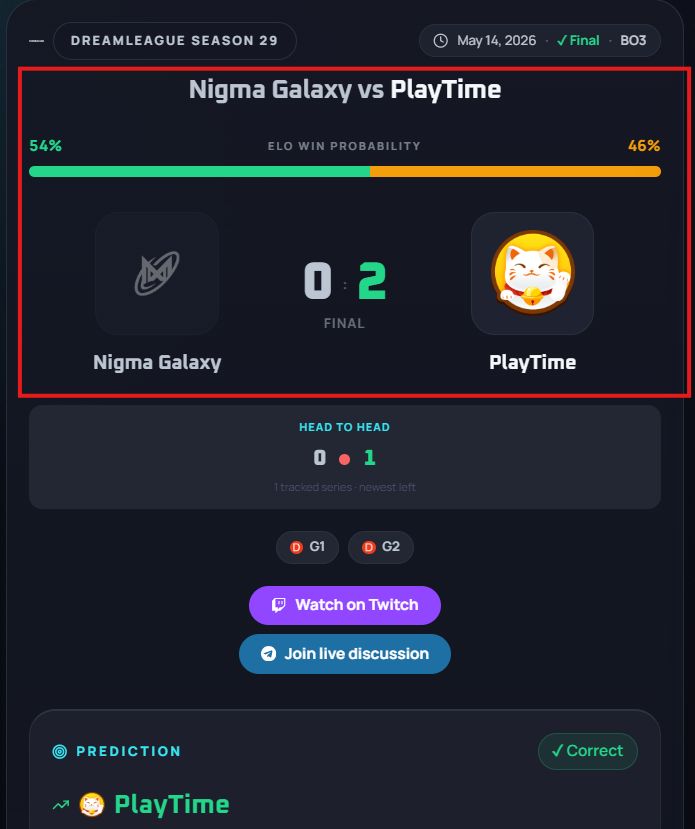
So if Nigma faces a squad known for weathering storms and thriving late (basically Nigma’s stylistic counter), I’m going to be extremely wary of predicting Nigma unless I see evidence they’ve added new layers to their game
Rules of Thumb (for style matchups): These aren’t laws, but I keep them in mind:
-
If one team must win early and the other team excels at not dying early and taking it late, bet on late-game reliability. Early aggression is exciting, but if it fails, it fails spectacularly.
-
If both teams are greedy, lean towards the one with the superior farming core and more stable late-game decision-making. At 60 minutes, it’s not about one flashy play – it’s about who consistently makes fewer mistakes.
-
If one team’s victories always come off one player snowballing out of control, that’s not a stable formula. Eventually someone will shut that down. Prefer teams that can win in multiple ways.
4. Drafts: When They Matter (and When They Don’t)
Let’s talk draft, the favorite excuse of analysts and players after a loss. “Draft diff” gets thrown around way too much. I’m not saying drafts are irrelevant—they're part of the game—but I never base my prediction on “they will outdraft the opponent.” That’s a fool’s errand. Why? Because good teams win with bad drafts all the time, and bad teams can have the “perfect draft” and still fumble the execution.
However, here’s how I treat drafts in predictions:
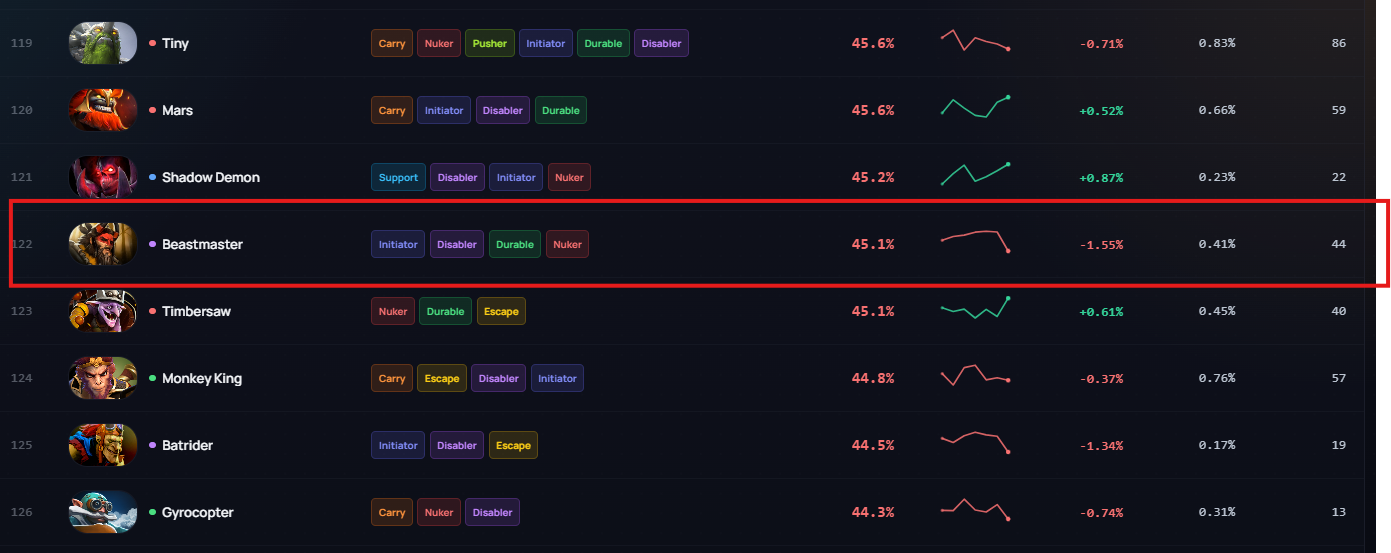
- Avoiding Disasters: If I know a team has a narrow hero pool or stubborn drafting tendencies, I factor that in a bit. For instance, there was a team that kept picking this awful off-meta carry (let’s say Beastmaster carry) that clearly didn’t work. If they’re up against a team that will punish that, I’ll lean against the stubborn drafters. Essentially, if one team has a history of drafting themselves into a hole, that’s a concern.
-
Recognizing Hard Counters: Sometimes, it’s true, drafts can make a game almost unwinnable. Like you pick a lineup with literally no late-game carry potential and the enemy last picks Spectre—you're on a timer, and if it goes late, you lose 100%. If I see a pattern where Team G often gets outdrafted in a specific way (maybe they don’t play Broodmother, and the opponent does—so the opponent will first pick Brood and wreck their lanes), I account for that.
-
Comfort & Patch: If a team is clearly uncomfortable on the current patch (their drafts look off, they’re forcing old meta heroes), I’ll weigh that too. The draft is a window into if a team “gets it” or not at the moment.
But what I never do is change my prediction after I see the draft. My picks are locked and published pre-draft, intentionally. Why? Because once you start flipping based on draft, you’ll overreact. You’ll give too much credit to a “won draft” that the team might not even execute well.
Also, reacting to a draft means you’re admitting your initial read wasn’t solid. I strive for a solid enough read that the draft should be encompassed in my thinking (i.e., if I predicted Team H, I likely believe they can handle whatever is in the draft or outplay a slightly worse one).
So, in summary: Draft is a factor, not a prediction foundation. I account for long-term drafting trends and potential patch comfort. But I will never say, “Team X will win because of draft diff," beforehand—that's lazy and often wrong. And if someone loses a game, I look first at misplays and outplays before blaming the draft. Prediction-wise, that mindset keeps me focused on the right things (skill, execution, form), not hoping Draftlord 5000 graces my team with a free win.
5. Head-to-Head: Useful When Relevant (Often It Isn’t)
Oh, the head-to-head trap. Yes, I’m aware Team So-and-So is 8-2 in past meetings against their opponent. No, it’s not an automatic predictor of the next match.
Here’s my rule with historical head-to-head stats: I only care if the past games truly reflect the current conditions. Same rosters (mostly)? Same patch style? Was there a clear pattern in those games (like Team J consistently crushes Team K in lane every time, or one player is in the other’s head)? If yes, I’ll take it under advisement.
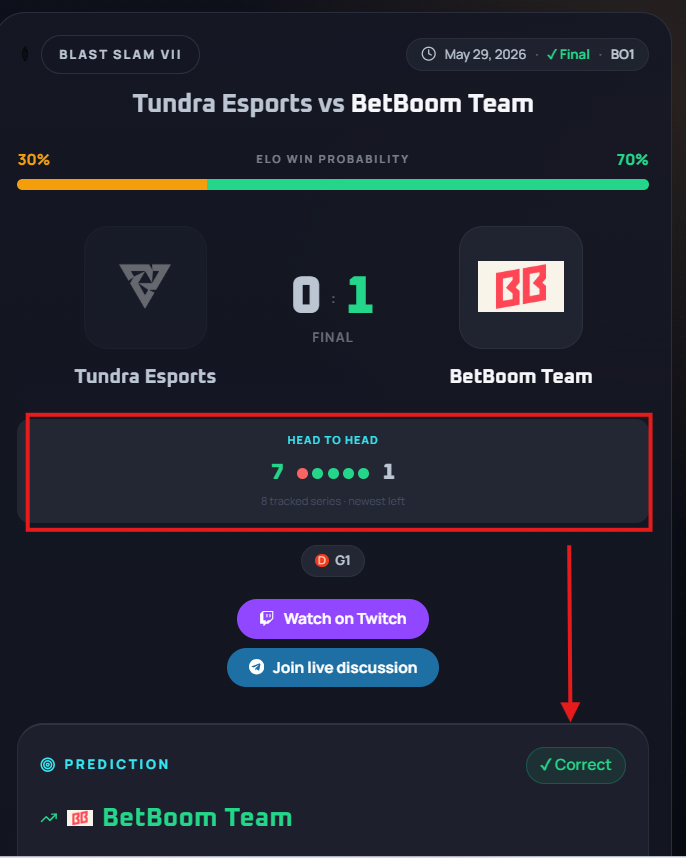
If any of those conditions aren’t true—different rosters, a long gap in time, or major meta shifts—then H2H data is just noise. For example, a year ago Team L might have dominated Team M. But now Team M has a new mid, and the game is on a new patch, so what does a 4-0 last year mean now? Pretty much nothing.
I see people overvalue head-to-head stats without context. X hasn’t beaten Y in BO3 in two years? Cool story, but if X is surging this patch and Y looks shaky, I might still pick X. Turns out those two years of losses don’t matter if X has solved their issues or Y’s style is outdated now.
However, I do sometimes use head-to-head as a tiebreaker or supporting evidence:
If two teams look evenly matched by all other metrics, and one just always seems to have the other’s number, I might lean into that 55-45 instead of 50-50. There are legitimate mental blocks or stylistic counters that persist.
If a team publicly said they hate playing against a certain opponent (it happens) and the record backs it up, I’ll keep that in mind for sure.
But I’ll never predict purely because “they always beat them.” If anything, long undefeated streaks in head-to-head eventually break. In Dota, everyone bleeds.
6. Avoiding Context Traps: Stand-ins, BO1s, and Other Hazards
Finally, let me list a few predictive pitfalls I actively try to avoid:
-
Stand-in panic: A team playing with a stand-in automatically loses, right? Not necessarily. Some teams handle stand-ins fine (by simplifying their game or because the stand-in is individually great). Others fall apart. I assess case-by-case. I don’t auto-bet against stand-ins blindly.
-
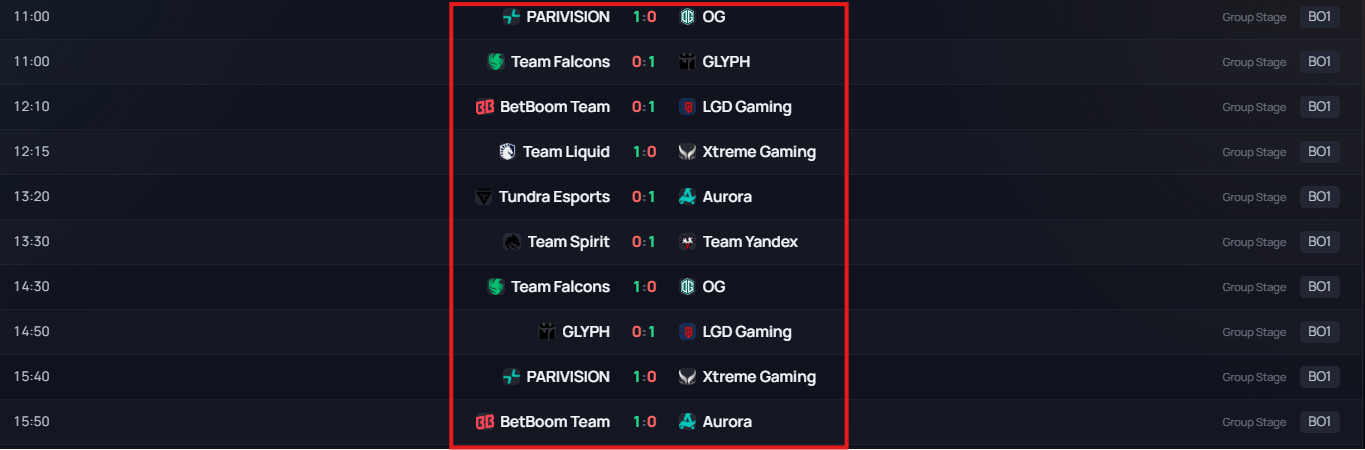
BO1 upset mania: Best-of-ones are upset city. I still predict them (got to for completeness), but I temper my confidence. If my model says 70-30 in a BO1, I treat it more like 60-40 because one mistake or cheesy draft can decide it. In BO3s or BO5s, the better team usually prevails (they have more games to correct mistakes or adapt). So I’m much more confident in a read over a series than a single map. Know the format you’re predicting.
-
“They looked bad yesterday” syndrome: I touched on this earlier—don't overreact to one off day. Conversely, don’t assume consistency if a team has been Jekyll and Hyde. This is why you have to watch games or at least read detailed recaps. How did they look bad? Was it something fixable (draft greed, over-aggression) or a systemic issue (they got outclassed at every position)? The former might be fixed next match; the latter probably not.
-
Social media noise: I don’t care what Twitter or Reddit is hyping or flaming on a given day. Often the community latches onto a narrative (“Team P is unstoppable! Team Q is washed!”) that lags real performance by a patch or two. By the time everyone says a team is unstoppable, their streak might be ending. I trust my own analysis over the hive mind every time.
In the end, here’s my philosophy: Stack as many small edges as you can in your prediction. My model gives me a slight edge. My analysis of form adds an edge. Understanding style matchups adds another. Factoring draft tendencies, head-to-head appropriately, and avoiding obvious traps—each is a tiny edge. Combine them, and you’re hopefully making a prediction that’s, say, 65% likely instead of 50-50. That’s really the best you can hope for.
And even then, 35% happens all the time in Dota. You will get games wrong. I sure do. This is why I roll my eyes at anyone boasting about 85% accuracy – they’re either lying or only predicting heavy favorites in trivial matches. Being right 100% of the time is impossible (if it were, I’d be on a yacht funded by my winnings, not writing blog posts about my wrong calls). The goal is to be a bit more right than wrong and to understand why you were right or wrong. That way you improve over time.
So, if you want to predict Dota matches like a (semi) pro:
-
Use all the info available (data and your own eyes).
-
Focus on fundamentals (team skill, form, strategy) over fluff (hype, historic trophies, fan sentiment).
-
Accept uncertainty. You’re going to guess wrong often. That’s okay. Predicting is about a long-term good process, not short-term perfection.
I’ll keep doing my thing—a model in one hand, Dota brain in the other—and I’ll keep getting some wrong. But I’ll get a lot right, too, because I’m honest about what I know and what I can’t possibly know. Do the same, and you’ll at least feel smart about your predictions, even the wrong ones.
Read more
All articles →
12 August 2026
TaiLung Match Fixing Investigation
11 June 2026
Dota 2 Ranks and Medals: From Herald to immortal
2 June 2026
Tundra Esports is leaving Dota 2
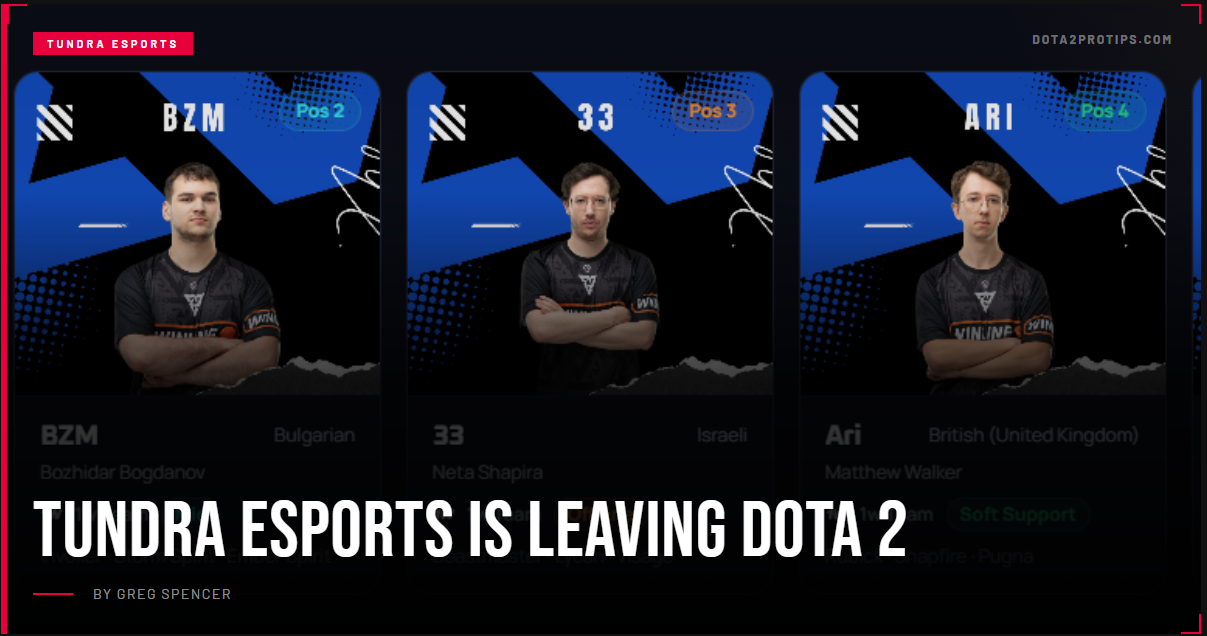
Tundra Esports, TI 2022 winners and the #1 team in the world, has officially left Dota 2. Their entire championship roster has been sold to 1win. When even the strongest team in the scene can’t make the numbers work, it’s a massive wake-up call for the future of Dota 2.