

Stats
Abilities
Greater Demonic Summoning
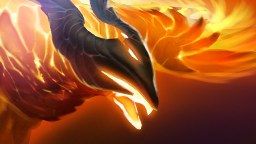
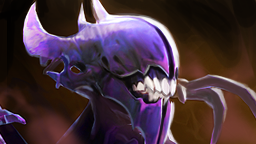
Summon 2 demonic warriors and 2 demonic archers that last 65 seconds. The Warrior burns mana every hit and deals magical damage to whoever kills it. The Archer has a basic dispel ability with a slow and a passive movement speed aura.
Popular On






Strategy
Why Pick Up Book of the Dead?
Book of the Dead is basically the old Necronomicon. It is one of those neutral items that don't pretend to be subtle. It gives you extra unit-based timing on demand: you press one button and you suddenly have four bodies on the map—two demonic warriors and two demonic archers—and they persist long enough to matter in real objectives and real fights.
The reason it’s worth keeping is not “damage” in the traditional sense. It’s map pressure, information, and forced responses bundled into one cooldown. A team that is ready to push wants two things: a way to hit buildings without committing heroes too early and a way to make the enemy show themselves. The book does both. You can pressure towers, invade vision, and force a defensive reaction while your actual heroes remain positioned safely behind the play.
Mechanically, the summons are not generic creeps. The warrior burns mana on hit, reveals invisible units, and punishes the hero who kills it with magical damage. The archer brings utility: it has a basic dispel that also slows, plus a passive movement speed aura that quietly changes the feel of chases and disengages while the units are alive.
Put simply: Book of the Dead is a neutral that turns one timing window into an objective window. If your draft likes to play around ultimates and cooldowns, this item gives you another lever to pull every time it comes up.
When to Grab Book of the Dead?
Book of the Dead is best on heroes who can do something meaningful with temporary extra units: push lanes, threaten towers, take controlled fights around vision, or enable pickoffs by forcing information. That’s why it shows up on heroes like Beastmaster and Batrider (heroes that already play around map control and initiation) and also on spell-based supports that like structured fights, such as Warlock, Shadow Demon, Jakiro, and Ancient Apparition. It also appears on Tusk and Ring Master, which fits the same logic: the hero doesn’t need the book for personal scaling—they benefit because it creates a better fight environment.
The timing concept is simple: you want it in games where the next stage is breaking the map open—taking outer towers, setting up wards deeper, choking farm, or forcing the enemy to defend while you hold better positioning. Because the units last a long time once summoned, it’s especially valuable when you can convert that duration into tangible objectives rather than using it randomly between waves.
You also prioritize it in drafts that struggle with two specific problems:
Dealing with invisibility: the warrior revealing invisible units can change how safely you can play around wards and entrances.
Needing a dispel tool on the map: the archer’s basic dispel adds an extra layer of utility during skirmishes and tower hits.
Where it is weaker: games where fights are nonstop and chaotic and repositioning is impossible—because you don’t get to leverage the unit duration for structure. If every engagement is immediate and explosive, a more defensive neutral can outperform it simply by being consistently “on” rather than requiring setup.
Tips & common mistakes
- Don’t press it “because it’s off cooldown.” Press it when you have a clear objective: tower, Roshan area control, or a forced fight on vision.
- Treat it like a timing spell: it has a cooldown and the summons last a long time—wasting it between waves is the same mistake as wasting a teamfight ultimate.
- Use the warrior for what it’s actually built to do: invisibly checking and forcing awkward fights around hidden heroes.
- Be intentional with the archer’s dispel—because it’s a basic dispel with a slow, it’s most valuable when you remove a key debuff or secure a catch, not when you cast it on the first thing you see.
- Don’t donate the summons to a lost fight. If the engagement is already bad, back up and use the units for lane pressure instead of feeding them into a collapse.
- When you’re sieging, lead with units first. If the enemy commits spells to clear summons, that’s information—and it often creates the real opening for your heroes.
Summary
The Book of the Dead is a neutral item for teams that want to convert structure and vision into wins. It gives you four temporary units with meaningful utility—mana burn, invis reveal, a dispel + slow, and a movement speed aura—and it lasts long enough to matter around objectives. Use it deliberately: not as a random cooldown but as a tool to open the map, force responses, and make the next fight happen on your terms.
Lore
A record of the final reckoning. With one page torn out.