
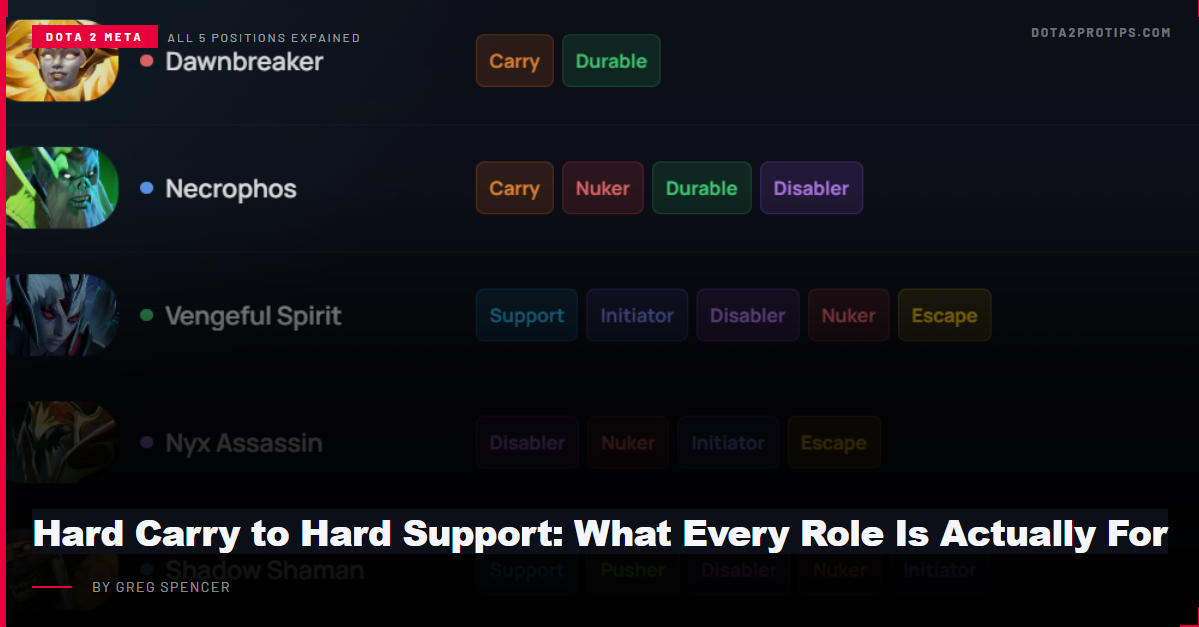
Hard Carry to Hard Support: What Every Role Is Actually For
Dota 2 is chaos, but the 5 positions (pos1 to pos5) bring a bit of order. These aren’t rigid “lanes” or ego trips – they’re about resource priority. Who gets the gold and XP, and who plays support? In Dota, you’ve basically got a 2-1-2 setup: two heroes in the safe lane, two in the offlane, and one mid. Each position number (1 through 5) loosely corresponds to how much farming priority you get – Pos 1 farms the most and Pos 5 the least. Good teams (even in pubs) will naturally follow this priority so there’s a clear pecking order for farm and responsibilities.
 Let’s break down each position, what they really do (and don’t do), common mistakes in pubs, and how the pros handle them.
Remember: none of this is absolutely rigid (it’s Dota – anything can work with the right draft), but these are the tried-and-true expectations for each role.
Position 1: The Hard Carry (Greed Incarnate)
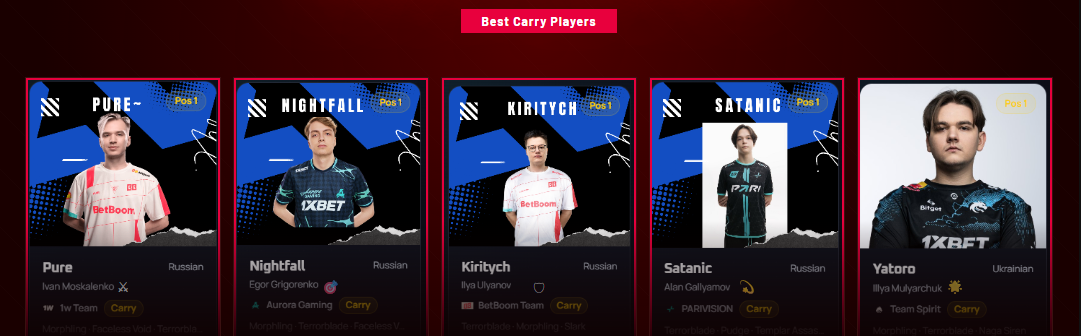
Role & Priority: Pos 1 is your carry – the late-game insurance policy. This hero is given the highest gold priority. They usually take the safe lane (bottom for Radiant, top for Dire) alongside a support, making it a 2v2 lane in modern play (gone are the days of carries being alone or “tri-lanes” babysitting them constantly – now it’s typically a dual lane). The carry’s job is to farm, hit key item peaks, and eventually carry teamfights in the late game. Think of heroes like Medusa, Terrorblade, or Spectre – they are super strong if the game goes long. In the first 15 minutes, your carry might be relatively weak; by 40 minutes, they should be the deadliest hero on the map.
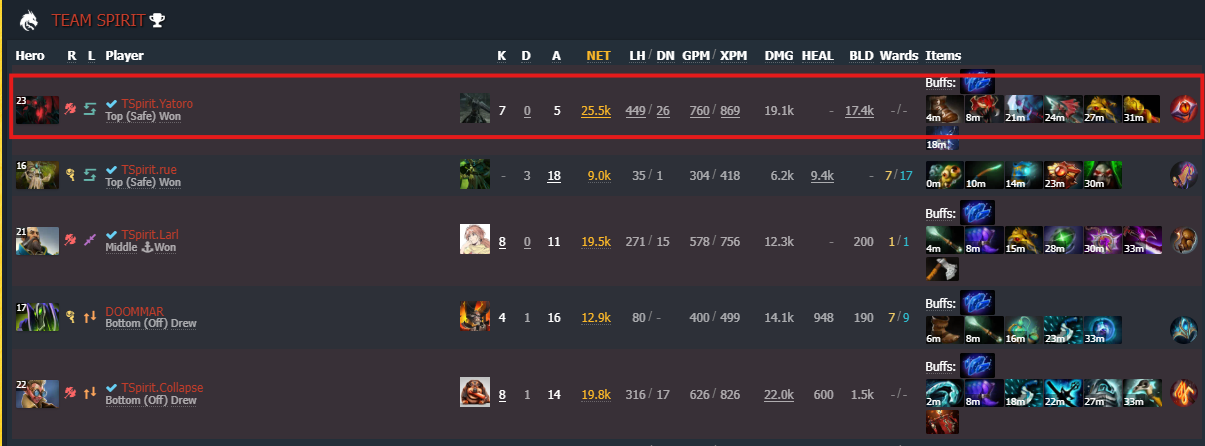
Responsibilities: Survive the lane and farm efficiently. A good carry finds farm in lane, then in the jungle, keeping that net worth climbing. They also need to choose the right time to join fights. Farm all game and never show up? You might lose before you’re relevant. Fight too early and die? (e.g: Crystallis) You fall behind on the farm. It’s a balancing act. A player like Yatoro (Team Spirit’s carry) is a great example: he farms like a machine but isn’t afraid to join a crucial fight if he knows it’ll swing momentum. Carry players must read the game – “Can I push another wave safely or is it time to TP and defend Rosh?” – and act accordingly.
 Power Spikes: Carries usually have item-based power spikes. For example, Anti-Mage with Battle Fury + Manta becomes a split-push menace; Faceless Void with Mask of Madness and Maelstrom can start Chrono-killing supports. As Pos 1, you typically shine after 20 minutes once you have 2-3 core items. In the very late game (6-slotted territory), the expectation is you can 1v5 if needed. That’s literally why the term “hard carry” exists—your team is counting on you to carry their sorry butts to victory eventually.
Pub Mistakes: In pub games, carry is often the most demanded role—and also the most flamed. Common mistakes:
-
Over-fighting early: A carry that keeps TP’ing to every skirmish at minute 10 often falls off because they sacrificed farm (and sometimes feed).
-
Over-farming: The opposite—the carry who AFK farms the jungle while their team is dying and all tier-2 towers are falling. That “I need 1 more item” syndrome can lose games.
-
Bad itemization: Greedy carries might skip BKB when they really need it (and I hate this) or not adapt (e.g., not buying an MKB against a Butterfly enemy). Pro teams punish these errors hard—they'll invade the jungle to kill a greedy carry or force early fights knowing a carry like Naga Siren isn’t ready yet.
The Pos 1 Mindset: You’re the win condition. It’s a lot of pressure. If your team can just hold on and not feed too much, you will become the strongest hero eventually. But you also can’t use that as an excuse to ignore your team entirely. Great carries know exactly when to show up. If a huge fight is about to break out at Roshan and you’re able to join and turn it, join it. If it’s a pointless fight, ping your team back and keep farming. Communication helps—even a quick "Guys, don’t fight; I need 10 min farming” can prevent the classic “WTF carry?” flame.
Position 2: The Midlaner (Playmaker and Tempo Controller)
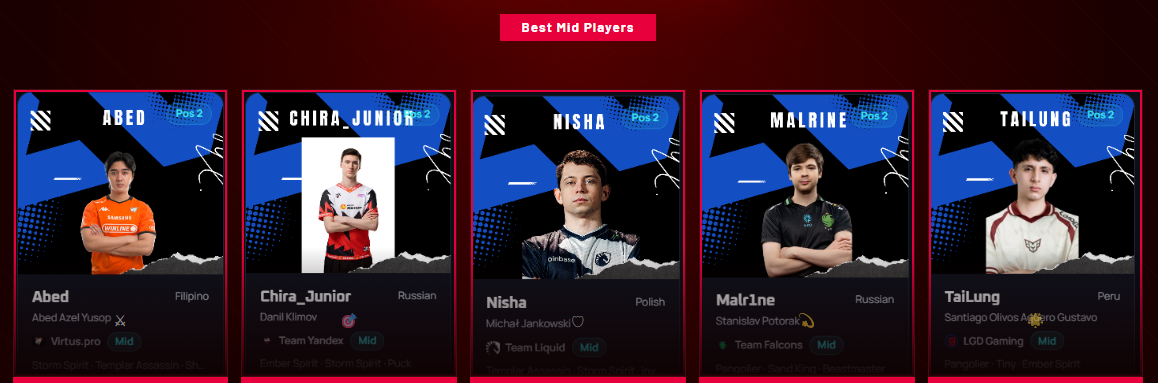 Role & Priority: Pos 2 is the mid lane solo hero. You get the second-highest farm priority (some mids might even surpass carries in farm early on). Mid is a 1v1 battle in lane, with both heroes racing to level 6 and key items. The mid’s job is to set the tempo for the game: rotate to side lanes, secure power runes (every 2 minutes), and snowball if possible. Classic mid heroes are playmakers: Storm Spirit, Puck, Ember Spirit, Invoker, etc. They can gank and kill early or pump out heavy damage in fights. If Pos 1 is the late-game carry, Pos 2 is the early-to-mid-game star who makes space and gets kills.
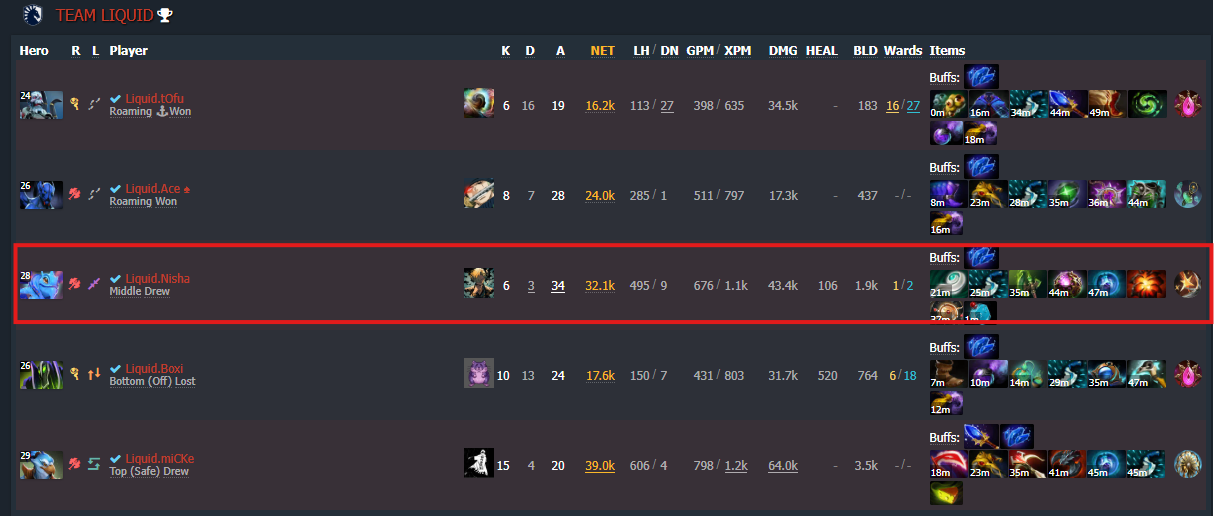
Responsibilities: Win or at least draw even in your lane, and then influence the map. As a mid, you hit level spikes faster than anyone. A good mid might gank a side lane at level 6 with a haste rune or TP to counter-gank when the enemy dives your safe lane. You should also coordinate with supports: e.g., ask your pos4 to contest runes or smoke with you to kill the enemy carry. A player like Nisha (Team Liquid’s mid) exemplifies this role—dominant laning and then constant activity. He’ll farm when needed, but if he sees a chance to kill and push the tempo, he goes for it. Midlaners should constantly ask, “Where can I make a play that gives my team an advantage?”
Power Spikes: Mids often have early power spikes around the first item or big level.
-
Queen of Pain hitting level 7 with a Sonic Wave ready and a combo of Nulls – she’s ready to blow up a fight.
-
Templar Assassin with Desolator by minute 12—she can Roshan or 2-shot supports.
-
Puck with Blink Dagger – massive initiation power. Mid heroes also often get runes like DD, haste, and invis to spike gank potential every 2 minutes. A winning mid should use those to snowball. In the mid-late game, the mid can transition into a secondary carry if needed (e.g., a farmed Shadow Fiend or Lina can carry as hard as a pos1), but usually they share the burden with the actual carry.
Pub Mistakes: Pub mid-players sometimes
Overstaying in lane: They sit mid-farming creeps while the rest of the map burns when they should be rotating. The enemy mid ganks side lanes while they AFK farm—not good.
Roam at the wrong time: Conversely, some mids leave their lane too early or for bad ganks and fall behind in levels and farm. Then the enemy mid free-farms and takes their tower. Balance!
Greedy for kill score (KDA): The “flashy” mid who dives 1v3 for a kill and dies, giving away their lead. A dead mid can throw a game, especially if they had a streak. Pro teams punish an inactive mid by out-farming them and punish an over-aggressive mid by rotating supports to kill them and slow their momentum.
The Pos 2 Mindset: The mid role is playmaking and high-impact. If you love being the one calling shots early—"I'm coming bot; get ready”—mid is for you. You have to thrive in that 1v1; a mid who loses their lane hard can cripple a team’s chance (because you’re usually the one making space for a greedy pos1). On the bright side, mid is rarely boring—you're always doing something, whether it’s precise last-hitting under tower or scanning the map for your next move.
Just remember: a great mid knows when to rotate and when to farm. Do both in the right measure. And please, ping your team when you rotate—nothing is worse than ganking a lane and your side laners are cluelessly farming under tower instead of helping secure the kill.
Position 3: The Offlaner (Initiator and Space Creator)
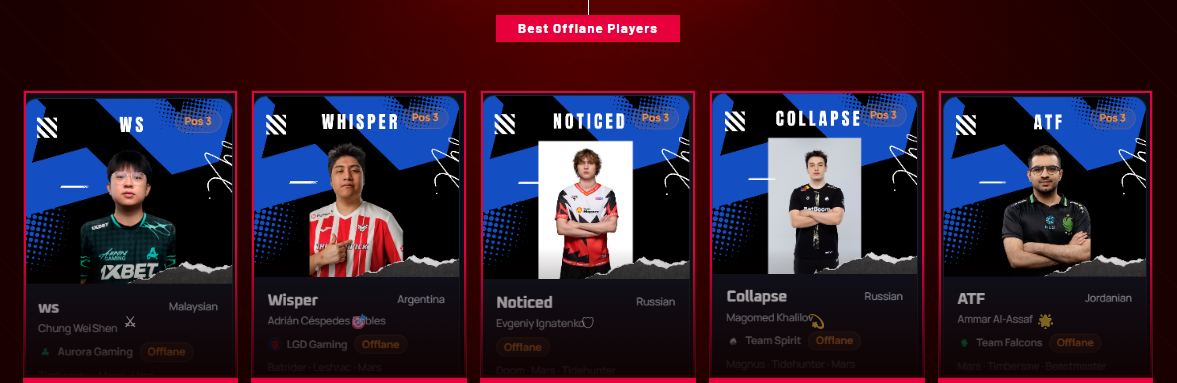 Role & Priority: Pos 3 is the offlane/core played in the hard lane (top for Radiant and bottom for Dire) alongside the Pos 4 support. It’s a challenging lane because you’re facing the enemy’s carry and their support—but at least you’re not alone (it’s a 2v2 lane nowadays: offlaner + soft support vs. enemy carry + hard support). The offlaner’s job is to be the team’s frontliner, initiator, and utility hero. They often pick heroes that can start fights or provide aura items for the team: Centaur Warrunner, Tidehunter, Beastmaster, Mars, and Doom. Offlaners are expected to play more sacrificially than pos1 or pos2—they'll throw their bodies in to start a fight and trust their teammates to follow up.
Responsibilities: In lane, the offlaner aims to disrupt the enemy carry’s farm while getting whatever farm they can for themselves. A strong offlane duo can actually bully a carry (for example, a Mars + Snapfire lane that constantly threatens kills on the enemy carry). Post-laning, offlaners typically:
-
Initiate fights (e.g., blink Ravage with Tide or start with a Roar from Beastmaster).
-
Tank damage – you soak spells so your fragile cores don’t.
-
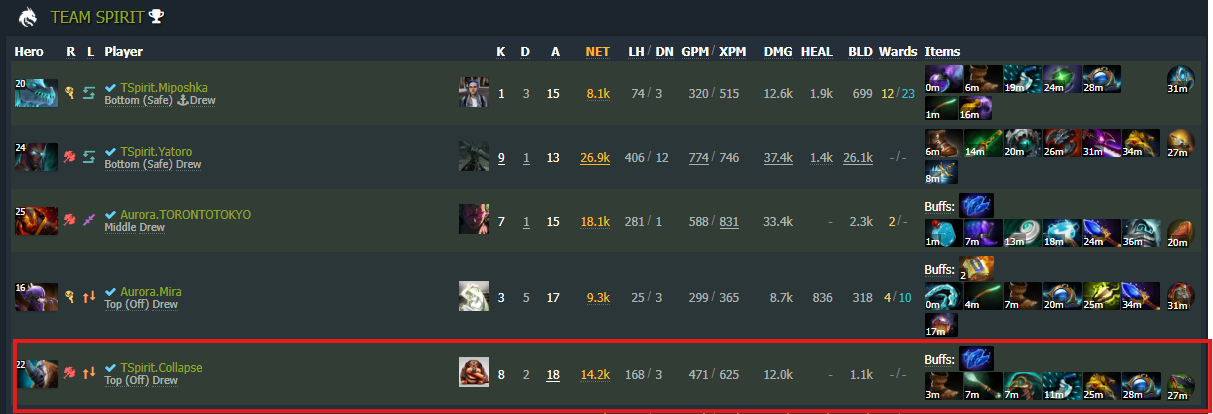
Carry teamfight auras or items—you often buy things like Pipe, Crimson Guard, Greaves, Wraith Pact (RIP), etc. Or in some cases pick heroes that naturally bring utility (like Beastmaster’s aura and vision). A player like Collapse (Team Spirit’s offlaner) made his name by massive initiations—think his incredible Magnus plays—always catching key heroes and setting the stage for his team’s victory. That’s the dream as an offlaner: you jump in and start the party, and even if you die, you created the winning situation.
Power Spikes: Offlaners usually come online with levels or a key initiation item. Example:
-
Axe with a fast blink by minute 10 is a huge threat.
-
Dawnbreaker, hitting level 6, can join any fight with Solar Guardian.
-
Underlord with level 4 Firestorm and a Vanguard can park himself and push the lane, making life miserable for a carry. Offlaners often peak in mid-game teamfights when their ultimates are effective and before enemies get too tanky or BKBs. If the game goes ultra-late, the offlaner’s impact might shift more to utility, but some offlaners can scale decently and become quasi-carries (like Doom or Legion Commander) and get big.
Pub Mistakes: Offlane errors we see:
-
Feeding in lane unnecessarily: Some offlaners play too aggressively without support or dive and give the enemy carry free kills. You’re tough, but usually not invincible in a 2v1.
-
Buying wrong items: The offlaner who rushes a Radiance or something greedy instead of the team items—leaving the team without needed auras or initiation. In pubs, offlaners sometimes say “I’m basically a third core” and skip utility; that can backfire if your team then lacks initiation or durability.
-
Passive offlaner syndrome: An offlane Sand King who gets dagger and then…farms jungle for 10 minutes more. If you’re an offlaner and you’re not looking to make a play once you have your tools, you’re wasting the hero’s purpose. Pro teams punish passive offlaners by giving their carry uncontested farm (leading to a monstrous pos1 you can’t stop), and they punish overzealous offlaners by rotating to shut them down early (e.g., enemy mid ganks them, and suddenly your offlaner is under-leveled, making them basically a walking ward).
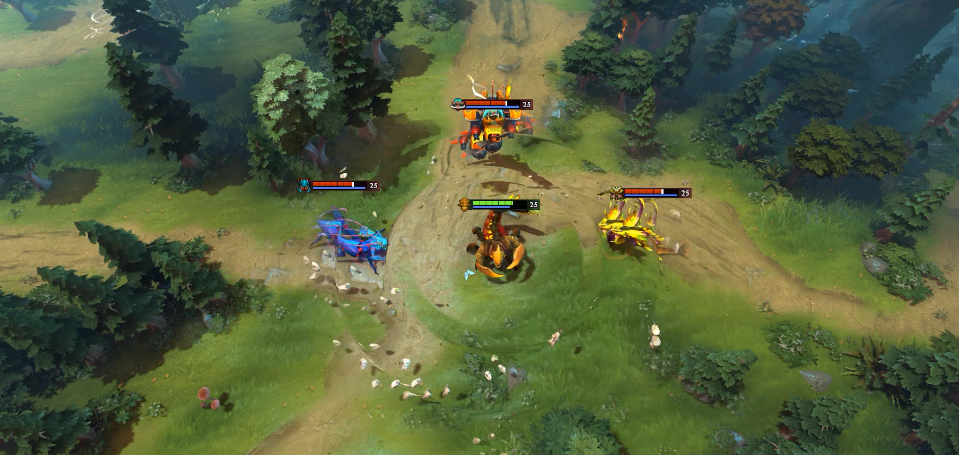 The Pos 3 Mindset: Offlane is a bit of a hybrid: you are a core, but you often have to play sacrificially for the team’s greater good. If you love starting fights and being in the enemy’s face, this is for you. It can be hugely satisfying—there's a special joy in hitting a 3-4 man arena or Black Hole. But you need to swallow your ego enough to be okay with finishing games at 2/10/20 while your cores clean up. In pubs, offlaners often don’t get the credit they deserve unless they completely dominate. If you do your job, sometimes it feels like nobody notices (they’ll be busy praising/flaming the carry or mid).
But you have to take pride in the impact that doesn’t show on the scoreboard—the space you made, the spells you forced, and the vision you provided. Your mantra should be "I will make the enemy’s life hell and start fights on my terms.” Do that, and you’ve succeeded as Pos 3 even if your KDA is ugly.
Position 4: The Soft Support (Roamer and Secondary Playmaker)
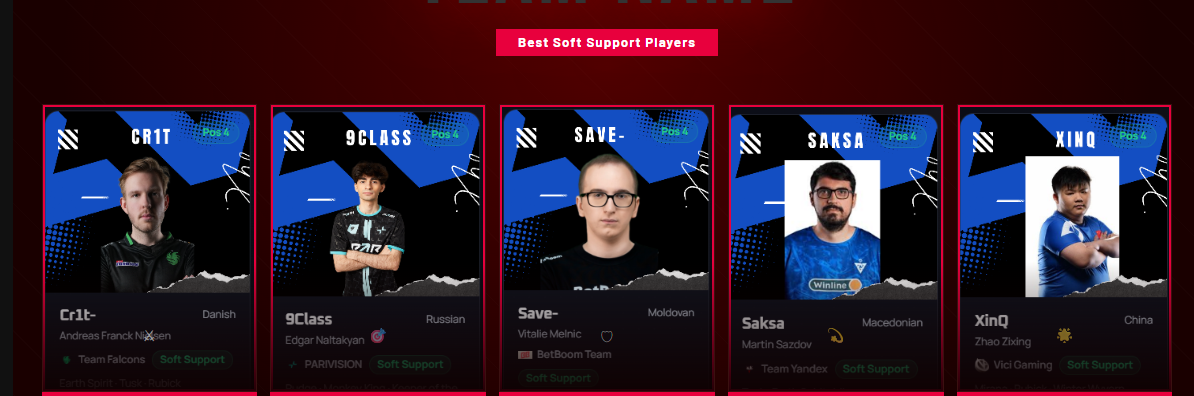 Role & Priority: Pos 4 is the soft support—they typically lane with the offlaner in the offlane (making that lane a 2v2) but have a lot of freedom to roam and make plays. They get low farm priority (fourth on the team) but more than the hard support. Soft supports are usually heroes with strong early fighting potential or roams: Earth Spirit, Tiny (support), Hoodwink, Tusk, Techies, and Rubick. The pos4’s job is to create chaos and opportunities: roam for kills, secure runes, gank mid, and invade the enemy jungle to ward or pick off greedy supports. You’re the bridge between lanes, the one with a finger in every pie.
Responsibilities: The soft support has a long list of things to do:
-
Win the offlane (if possible): Combine with your pos 3 to pressure or kill the enemy safe lane. At the very least, make their post miserable, pull creep waves, etc.
-
Rotate for runes and ganks: At 4 minutes, 6 minutes, etc., you often leave lane to help your mid secure a power rune or gank enemy mid. Or TP to help safe lane if a fight breaks out.
-
Provide vision and initiation in mid-game: Many pos 4 heroes carry the first smoke ganks of the game. A hero like Hoodwink or Nyx might start most fights by catching someone out.
-
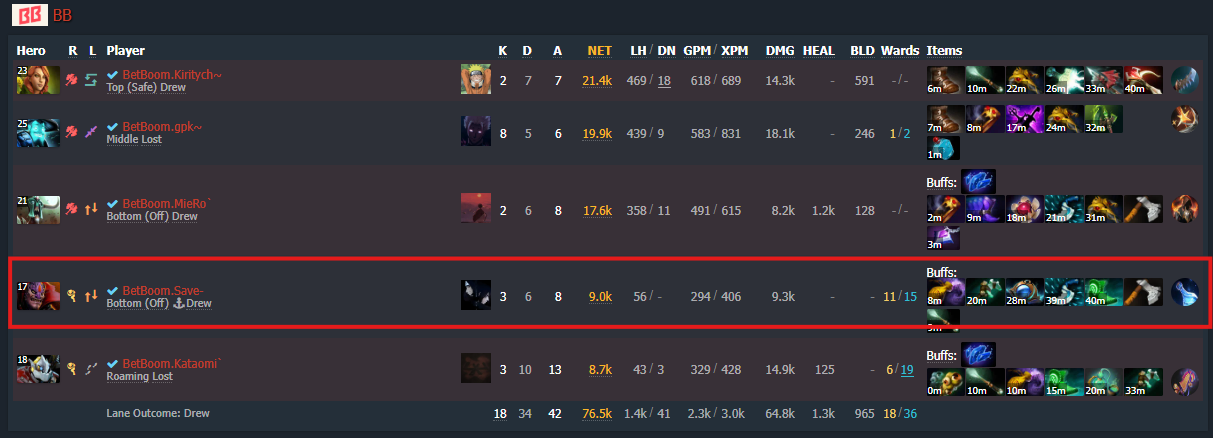
Scale with utility items: You’re not going to get rich, but with whatever gold comes your way, you might buy an Urn/Spirit vessel, a Force Staff, a Blink, or even a Lotus—whatever complements the team’s needs. A player like Save (BetBoom's roaming support) exemplifies Pos 4 impact—he's all over the place, making plays. One minute he’s fighting with his offlaner; the next he’s diving mid. Later, he’s deep in the enemy jungle dropping offensive wards. Soft support is high activity and high impact if played well.
Power Spikes: Pos4 heroes are often early-game specialists. They have powerful spells at level 2-4 that can secure kills or set the tone. For instance:
-
Earthshaker with level 3 Fissure can secure kills or save allies with a well-placed stun.
-
Techies after minute 10 with a couple of proximity mines in big fights.
-
Phoenix hitting level 6 for Supernova – suddenly huge teamfight presence. Your item spikes are smaller but meaningful: an early Blink Dagger on a support Tiny can be deadly, a timely Spirit Vessel against an Alchemist or Morphling can cut their healing, etc. Position 4s won’t ever become as farmed as cores, but many scale decently with levels or one key item (like Snapfire getting an Aghs upgrade to turn into an artillery cannon).
Pub Mistakes: Pos4 is fun but often misplayed:
-
Roaming brainlessly: Some pos4s leave their offlaner alone at level 1 or 2 “to roam” and accomplish nothing, causing their offlaner to get wrecked 1v2. Roaming has to be calculated – you don’t abandon your offlane if it means losing that lane, unless you’re getting something really worthwhile elsewhere.
-
Kill-stealing / greed: A pos4 that snipes kills from cores (maybe to rush a fast blink)—it might get you an item, but at the cost of your core’s farm. If you then fail to make big plays with that item, you just robbed your team.
-
Wasting potential: A passive pos4 that just babysits warding at minute 15 instead of making plays is a liability. As a pos4, you usually have one of the highest playmaking potentials early—do something with it. Pro teams will punish a passive pos4 by simply out-farming and out-maneuvering you (you basically become a walking ward if you don’t make plays). They punish overly greedy pos 4 by focusing them in fights (since you tend to be squishy but impactful—kill the Techies before he does damage, etc.).
-
The Pos 4 Mindset: Soft support is for the player who loves to make plays everywhere but doesn’t need to be the star. You won’t carry the game in a traditional sense, but you can heavily influence it. It’s a role where game sense is huge – knowing where to be on the map at minute 8 can make or break the game. You have to embrace a bit of selflessness: sometimes you give a kill to your core instead of taking it, and sometimes you die to create a perfect setup.
If you pull off a great rotation or a clutch save, your team might cheer – or they might not even notice because they’re focused on their own thing. That’s fine. The satisfaction comes from knowing you’re the one who connected the dots and made the team a cohesive killing machine. It’s a bit of a chaotic role, but if you thrive in chaos, pos4 is incredibly rewarding.
Position 5: The Hard Support (Captain and Sacrificial Lamb)
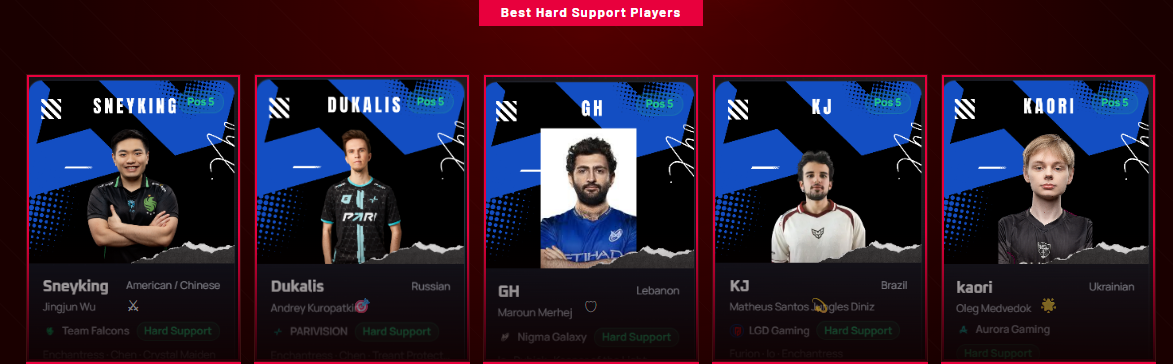 Role & Priority: Pos 5 is the hard support – the poorest hero on the team and usually the one babysitting the carry in the safe lane (another 2v2 lane). This is the least farm priority role. As pos5, you funnel as much farm as humanly possible to your cores and take almost none for yourself (beyond a couple small items). Hard supports focus on lane support, warding, and team coordination. Heroes like Crystal Maiden, Bane, Lion, Undying, and Dazzle often play this role—they contribute through spells and don’t need many items to be useful.
Responsibilities: The job description reads:
-
Protect your carry in lane. That means harassing the enemy offlaner, denying creeps, pulling the creep wave when needed to reset equilibrium, and generally making sure your Pos 1 can farm comfortably. If the enemy offlane duo goes on your carry, you throw your body or spells to discourage that.
-
Ward the map. You handle the bulk of vision control—placing Observer Wards where your team needs them and Sentry Wards to de-ward the enemy’s. Good vision wins games; a lot of that is on you.
-
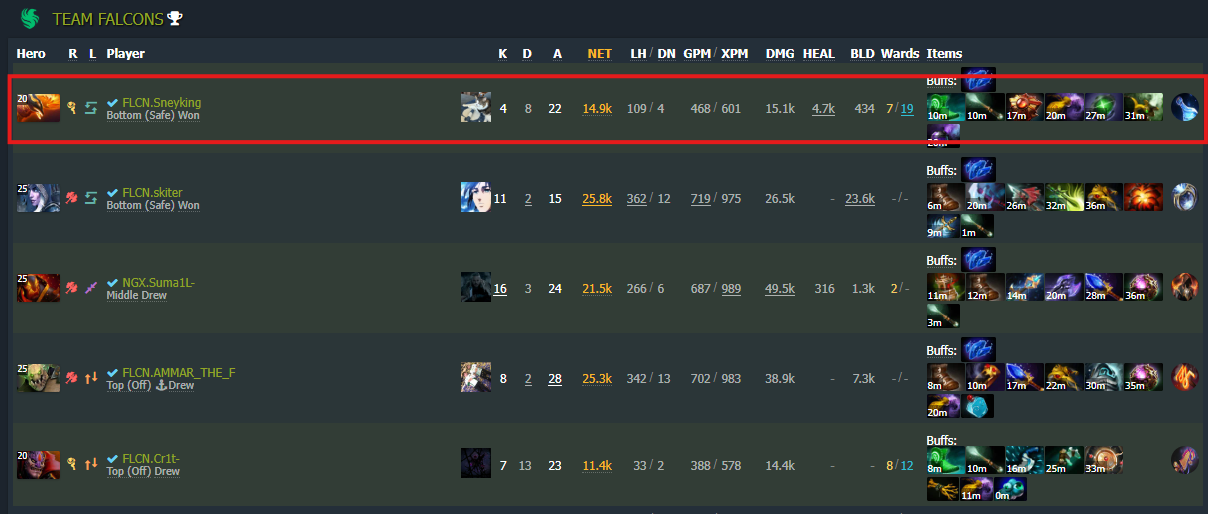
Shot-calling / game sense. Often, the hard support is also the team captain or at least a vocal leader (they have more mental bandwidth since they’re not farming or last-hitting as much). They are watching enemy movements, pinging danger or objectives, and coordinating smokes. For example, Sneyking (Team Falcon’s captain and pos 5) is known for being a calm shot-caller—he might not have farm, but he has a plan and directs his team on when to fight or retreat.
-
Save or disable in fights. Many pos5 heroes either lock enemies down (e.g., Shadow Shaman's shackle or Bane's Fiend’s Grip) or save allies (e.g., Oracle or Dazzle denying enemy kills with clutch saves). You do whatever your lineup needs—sometimes that means sacrificing yourself by walking into the enemy first (soak the smoke gank) or staying hidden and then bailing out your core at the perfect moment.
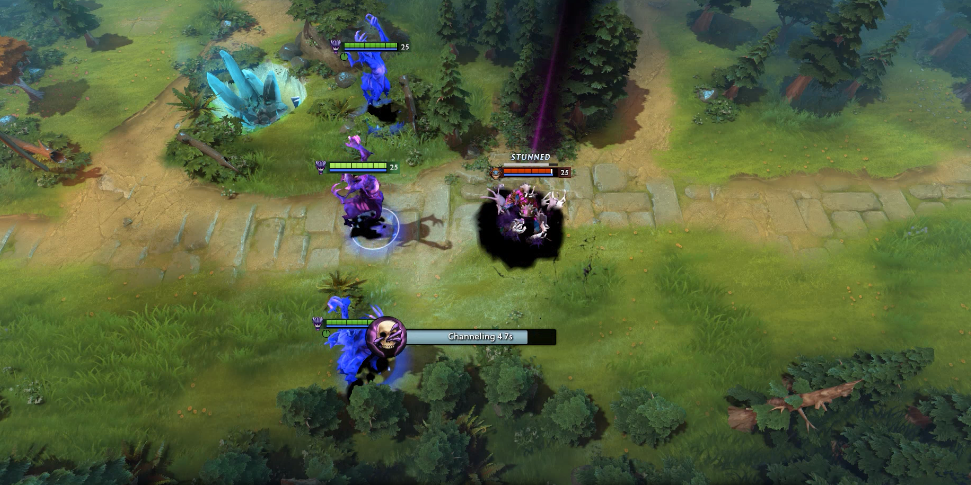
Power Spikes: Hard supports don’t really have “item spikes” because you might end the game with brown boots and a Wind Lace. Your spikes are level- and spell-based:
-
Warlock hitting level 6 – Chaotic Offering (the big golem drop) can completely swing a fight.
-
Undying at level 3 with Decay maxed can dominate an early skirmish.
-
Lion with a Finger of Death stack or two becomes surprisingly bursty. If you do manage to get an item like a Glimmer Cape, Force Staff, or Aghanim’s Shard at a decent time, those can be huge quality-of-life boosts for your team. But you’re never going to be stacking Daedaluses or something—leave the big-ticket items to the cores.
Pub Mistakes: Hard support mistakes often stem from lack of impact or misprioritizing tasks:
-
Being a ward-bot only: Some pos5's think their job is just warding and then hiding. Warding is crucial, yes, but you also need to use your spells and make plays. A support that never rotates or never tries to gank the mid when they can is wasting potential.
-
Over-sacrificing (or the reverse): Striking the right balance of selflessness is tough. Some pos5s suicidal dive and feed “for the team” when it wasn’t necessary. Others play too greedily—taking farm from cores, buying a Midas (!!) or other nonsense. In pubs, you sometimes see pos5 players take farm “because no one else is taking it” – fair, but if you entering the mid game with more net worth than your offlaner, something’s off.
-
Poor warding (too defensive or too predictable): If you always ward the same cliff and it gets de-warded, you leave your team blind. Great supports mix up ward spots, and think ahead (e.g., ward around Rosh before it becomes a focal point). Pro teams punish passive supports by diving their carry freely (no punishment from support spells) and punish reckless supports by killing them at the start of fights (making the fight 4v5).
The POS 5 Mindset: Hard support is selfless. You are the team’s foundation. You get almost no glory—if your carry wins the game, people will praise the carry’s brilliance, not the ward you placed that let them get that pickoff or the clutch heal you gave them. You have to be okay with that. It’s arguably the hardest role mentally because you impact the game in subtle ways. Watching Puppey (Team Secret’s legendary captain) play pos5 is a lesson in patience and impact—he'll spend 20 minutes enabling his team with great warding, lane tactics, and shot-calling, and you barely notice him unless you’re looking. But remove him, and the whole team falls apart.
That’s pos 5 in reality. In pubs, think of yourself as the glue. Your cores might flame each other, and the game might descend into madness—you try to keep things together, whether by vision control or just calming the team down. And when it comes to fights, you use whatever little you have (that one big ultimate, that one Force Staff) to tip the scales.
Final Thoughts: Every Dota position has a distinct feel:
| Position | Role | Summary |
|---|---|---|
| Pos 1 | Carry | All about farm and late-game dominance – but useless without support early on. |
| Pos 2 | Mid | High-skill duels mid and making plays across the map – mess up and the game falls apart; pop off and you carry the mid-game. |
| Pos 3 | Offlaner | The teamfighter and punching bag – you initiate and often die for the cause, but it's all for victory. |
| Pos 4 | Soft Support | The roaming playmaker – you thrive on chaos and make things happen, or nothing happens at all. |
| Pos 5 | Hard Support | The sacrificial backbone – you get no resources, yet you're expected to hold everything together through game sense and clutch plays. |
Dota is flexible—you might see a pos3 carry the game or a pos2 become a support if things go weird—but generally, if everyone plays their part, your team functions like a well-oiled machine. And when a team’s roles sync up (like we’ve seen with championship teams where carries trust their supports, and supports empower their carries), that’s when the real Dota happens and victory is almost inevitable. So, if you’re queuing for that hard carry role or grudgingly taking pos5 because no one else will take the job, play it with pride, and remember that Dota is a team game.